How to Read a Crochet Pattern | CrochetDiary CrochetDiary ·…
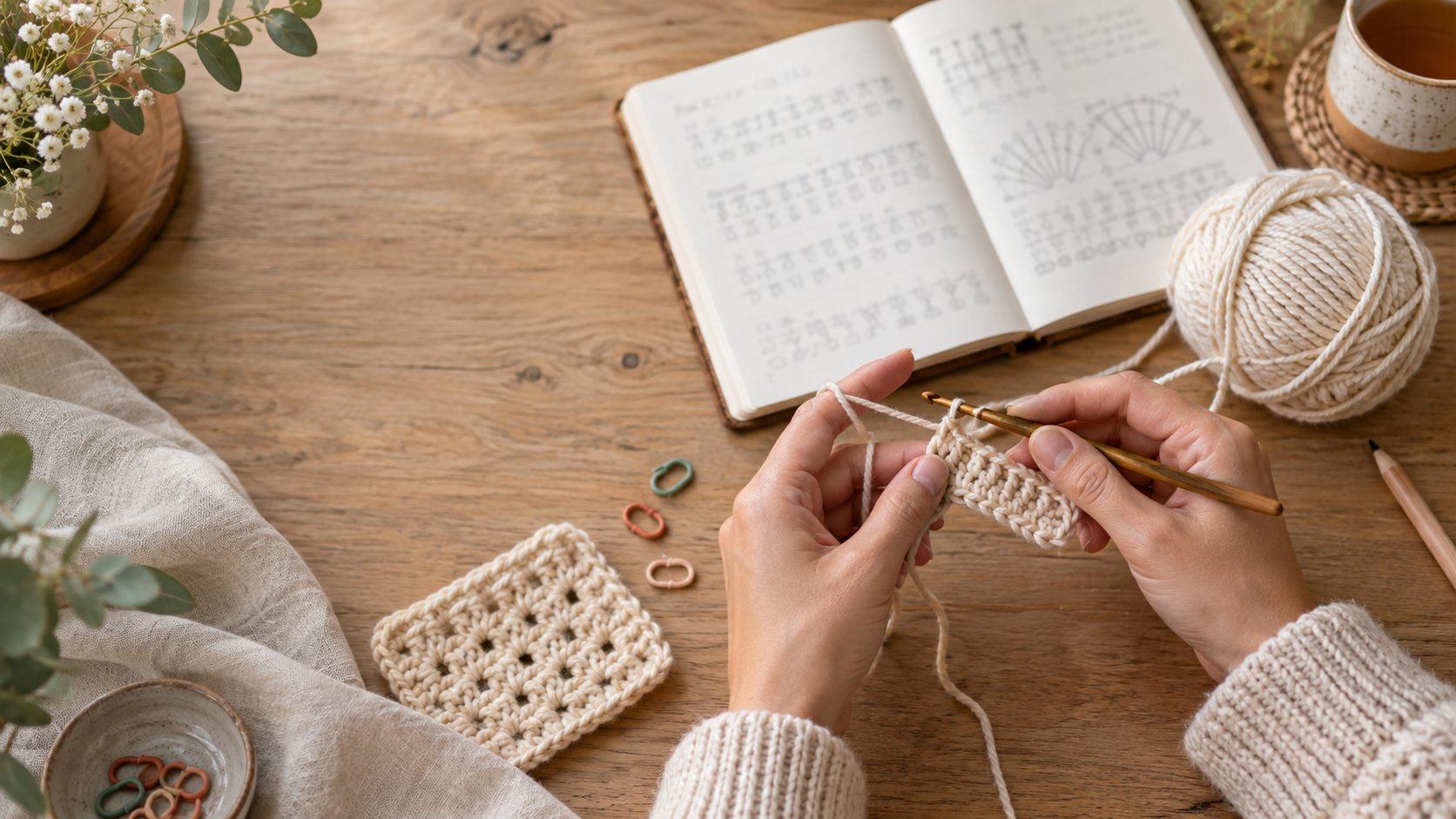
How to Read a Crochet Pattern
Learning how to read a crochet pattern is essential for every crafter. This clear, practical guide covers abbreviations, basic stitches, repeat symbols, stitch counts, gauge, shaping and the techniques that make how to read a crochet pattern much easier to follow.
Key Takeaways
- Learning how to read a crochet pattern starts with understanding standardized abbreviations such as sc, hdc and dc.
- US and UK terminology use the same abbreviations for different stitches.
- Asterisks and brackets mark repeats; parentheses often group stitches worked in one place.
- Numbers in parentheses show the expected stitch count.
- Skill level, gauge and pattern notes explain what to expect before you begin.
How to Read a Crochet Pattern: Essential Techniques
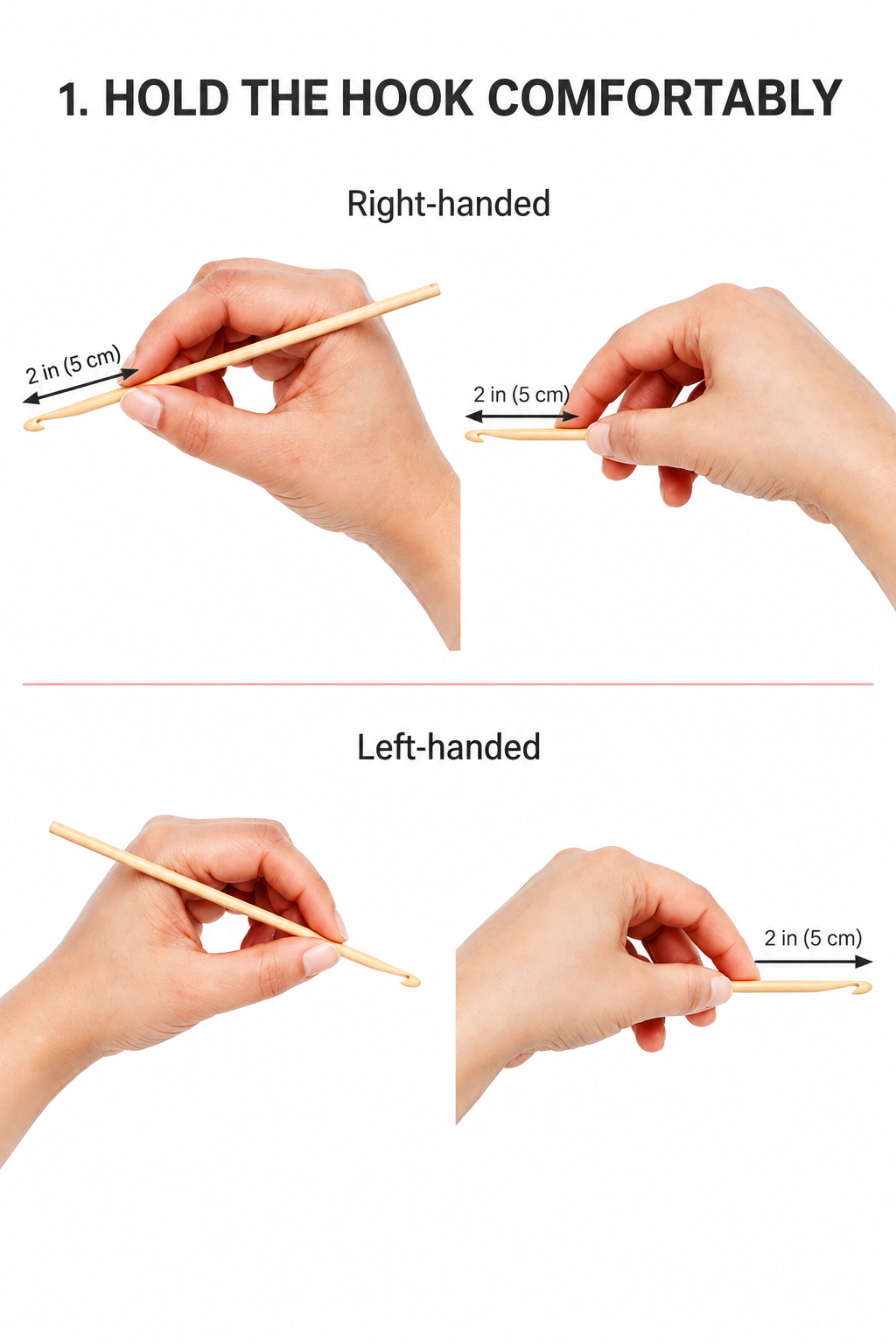
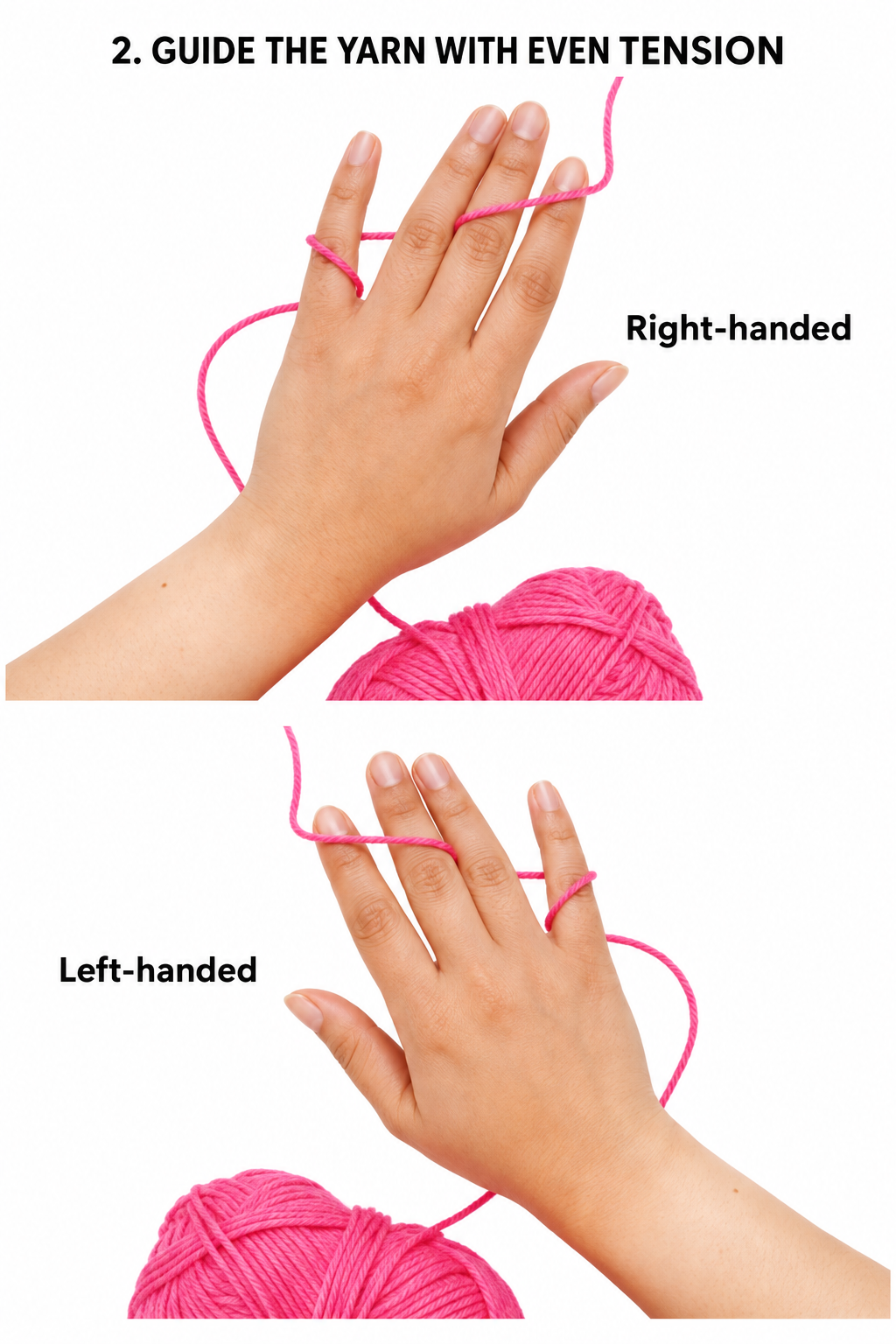
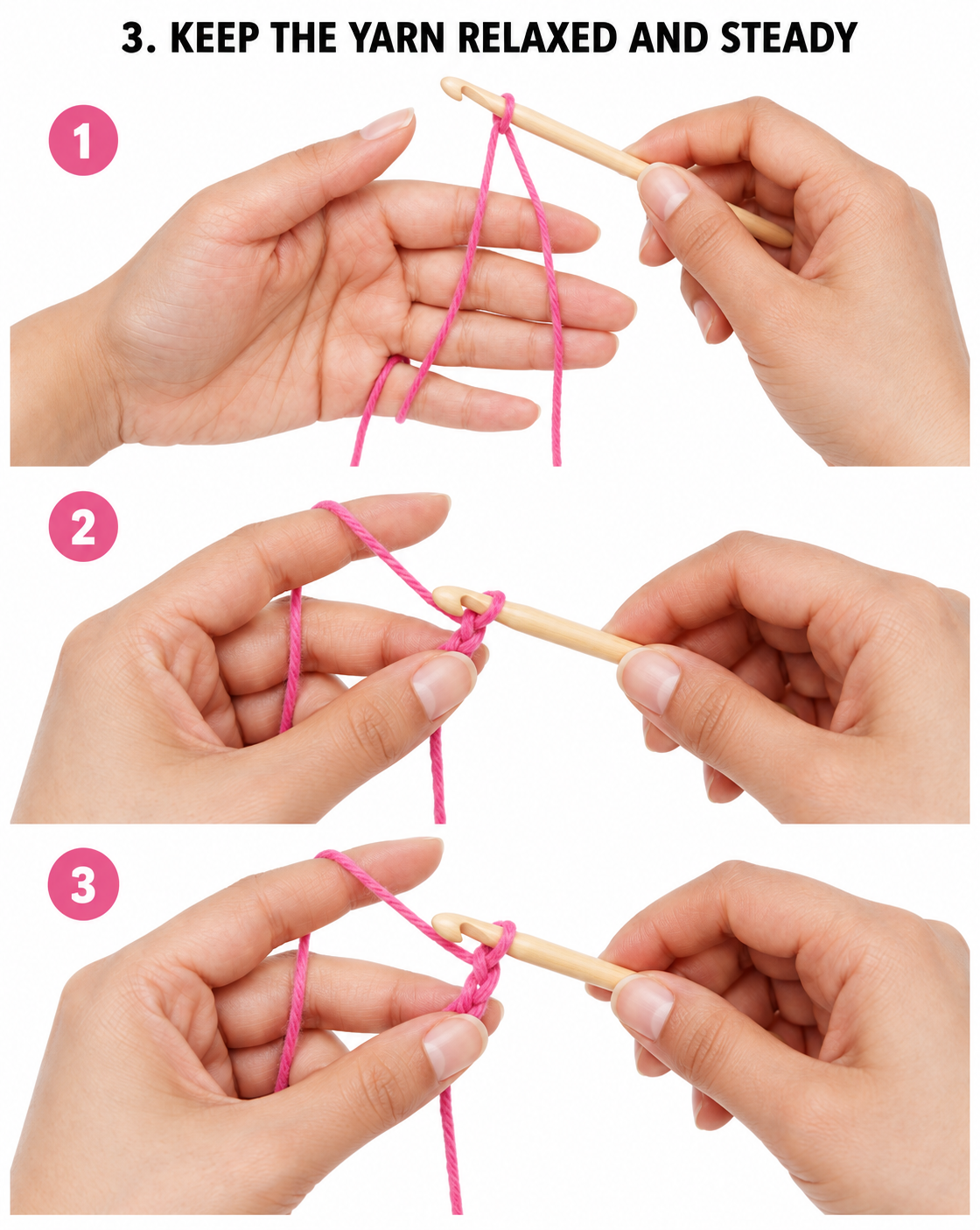
Before making your first loop, knowing how to read a crochet pattern helps you learn to hold the yarn and hook comfortably and keep an even tension. These foundations will make every later instruction easier to understand, much like the fundamentals outlined on the Crochet Wikipedia page.
- Slip knot: the adjustable starting loop placed on the hook before making chains.
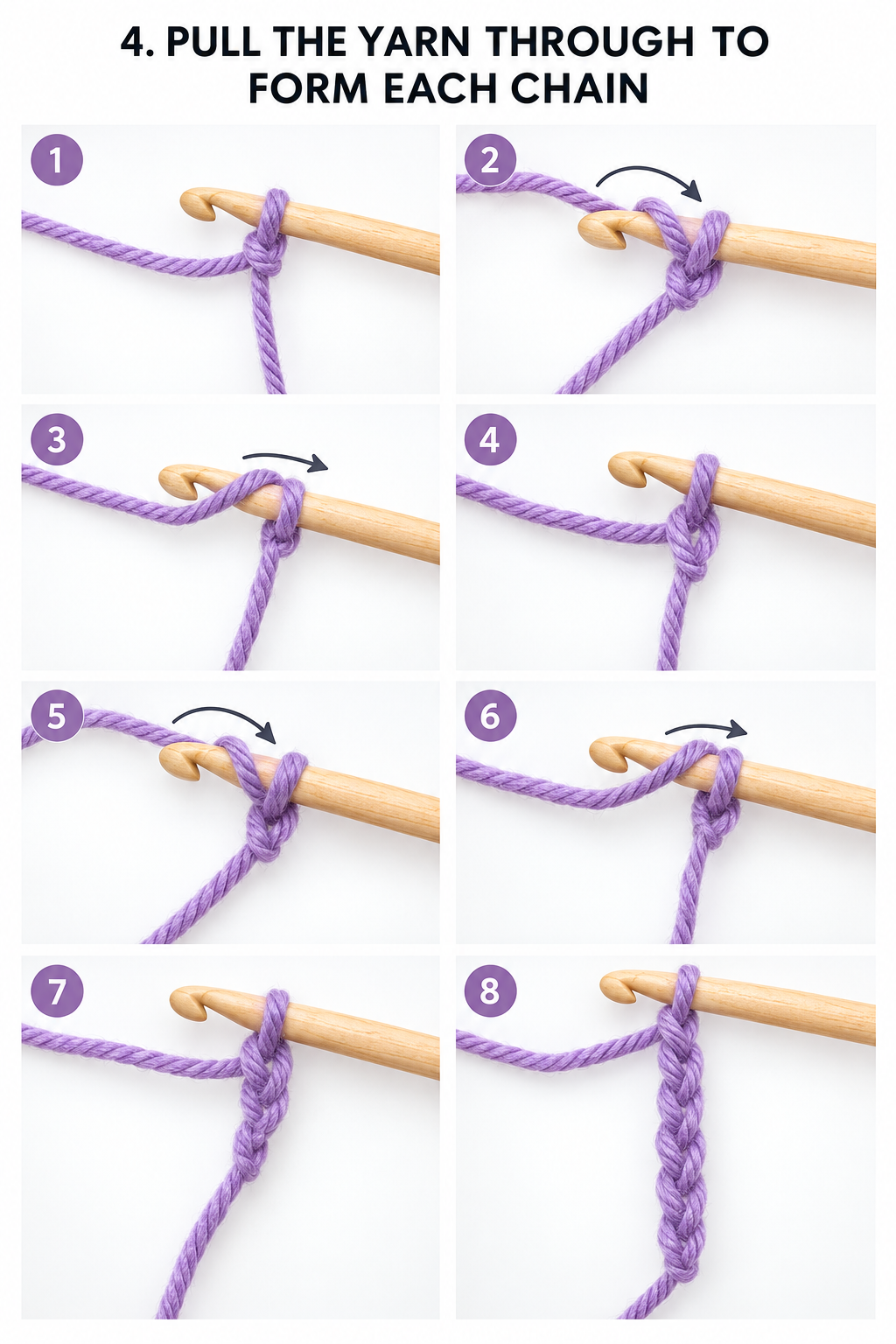
- Foundation chain (ch): a series of chain stitches forming the base of a row or starting ring.
- Turning chain: chain stitches made at the beginning of a row to reach the height of the next stitch.
- Slip stitch (sl st): used to join rounds, move across a row, close a ring or fasten off.
- Fastening off: pull the yarn through the final loop, cut it and weave the tail into the wrong side.

Basic Abbreviations
| Abbreviation | Meaning | Typical use |
|---|---|---|
| ch | chain | foundation and turning chains |
| sl st | slip stitch | joining and moving across work |
| sc | single crochet | dense fabric, bags and amigurumi |
| hdc | half double crochet | medium-height fabric with drape |
| dc | double crochet | soft, open fabric |
| tr / dtr | treble / double treble | tall stitches and lace |
| inc / dec | increase / decrease | shaping |
| BLO / FLO | back loop only / front loop only | ridges and texture |
| RS / WS | right side / wrong side | orientation of the work |
How to Work the Main Basic Stitches
For more inspiration and to discover additional guides on how to read a crochet pattern, feel free to visit our CrochetDiary Blog.
- Single crochet (sc): insert the hook, yarn over, pull up a loop, yarn over and draw through both loops.
- Half double crochet (hdc): yarn over, insert the hook, pull up a loop, yarn over and draw through all three loops.
- Double crochet (dc): yarn over, insert the hook, pull up a loop, then work off loops two at a time.
- Treble crochet (tr): yarn over twice before inserting the hook, then work off loops two at a time.
- Double treble crochet (dtr): yarn over three times before inserting the hook.
US vs UK Crochet Terms
This is the most common source of confusion when learning how to read a crochet pattern. Always check which terminology a pattern uses.
Reading Repeats
| Notation | What it means | Example |
|---|---|---|
| Asterisks * | Repeat the sequence from the asterisk. | *Sc in next 2 sts, inc in next st; rep from * around |
| Brackets [ ] | Repeat the grouped sequence the stated number of times. | [Sc in next st, inc in next st] 5 times |
| Parentheses ( ) | Usually work everything inside one stitch or space. | (2 dc, ch 2, 3 dc) in next corner sp |
Rows, Rounds and Stitch Counts
Rows are worked back and forth with a turn at the end. Rounds are worked around a central ring or the previous round. Use a slip stitch to join when instructed; otherwise, the pattern may use continuous rounds. A stitch marker in the first stitch is especially useful for continuous work.
Working Through Different Parts of a Stitch
The top of a stitch forms a small V with a front loop and a back loop. Working through both loops is standard. FLO means front loop only and BLO means back loop only; these techniques create ridges, folds and texture.
Skill Level, Gauge and Pattern Notes
- Skill level indicates the techniques you will need.
- Gauge or tension tells you how many stitches and rows fit a measurement, usually 4 in / 10 cm.
- Pattern notes clarify whether rounds are joined or continuous, which loop to use, and how color changes are handled.
Shaping and Texture
- Increase (inc): work two or more stitches into the same stitch to add width.
- Decrease (dec, sc2tog, dc2tog): combine stitches so two become one.
- Front-post and back-post stitches: work around the stitch post to create raised ribbing.
- Shells: several stitches worked into one stitch or space to create a fan.
- Clusters and bobbles: partial stitches joined at the top to create raised texture.
Joining Yarn and Changing Color
Begin the next stitch with the new color, then weave the ends into the wrong side. For clean stripes, change color during the final yarn-over of the stitch before the change. Follow the designer’s notes because some patterns join rounds while others work continuously.
A Quick Practice Swatch
Chain 12. Work one row of single crochet, one row of half double crochet, one row of double crochet and one row of treble crochet. Practice turning chains, counting V-shaped stitches and identifying front and back loops. Finish by fastening off and weaving in the ends.
Frequently Asked Questions
Work two stitches together into one to reduce the stitch count.
Check the notes near the top. If it is not stated, check the designer’s location or compare the stitch abbreviation with the finished photo.
Rounds are worked around in a circle; rows are worked back and forth with a turn.
Not always, but matching the yarn weight and checking gauge matters for fitted items.
Final Thoughts
Once you have mastered how to read a crochet pattern, the shorthand stops looking like a foreign language. With these foundation techniques, stitches, repeat symbols, shaping methods and terminology checks, you are ready to explore everything from a first amigurumi project to a full blanket.
If something does not add up, count the stitches, reread the abbreviation key and check whether the pattern uses US or UK terms. Those three checks solve many beginner crochet problems. Head back to the CrochetDiary homepage to discover more patterns!